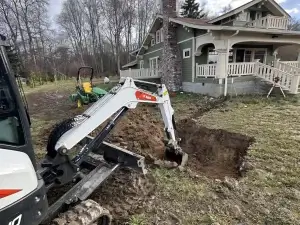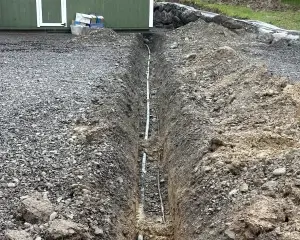
When winter arrives in the Pacific Northwest, many homeowners and property owners assume excavation projects must come to a halt. Cold weather, rain, and muddy conditions often raise concerns about delays, damage, or added costs. However, excavation in Sequim is often still possible during the winter months, and in many cases, it can even be a smart move.
Sequim’s unique climate, combined with proper planning and professional execution, allows many excavation projects to move forward year round. In this article, we will break down how winter weather affects excavation, the challenges involved, when winter excavation makes sense, and what homeowners should consider before starting a project during the colder season.
Keep your excavation project moving even in cold weather—call Alpine Earthwork at 360-797-4904 or reach out online for professional winter excavation in Sequim. Get reliable results no matter the season with expert service from Alpine Earthwork.

Does Winter Weather Affect Excavation in Sequim
Winter weather always plays a role in excavation, but Sequim is not like many other parts of Washington. Known for being in the Olympic Rain Shadow, Sequim receives significantly less rainfall than surrounding areas, which changes how winter excavation is approached.
Temperatures in Sequim during winter are generally mild, with freezing conditions occurring less frequently than in higher elevations or eastern regions of the state. Because the ground does not stay frozen for long periods, excavation crews can often continue working without the extreme delays seen in colder climates.
That said, rain still impacts soil conditions. Increased moisture can make soil heavier and less stable, which means excavation must be done with careful planning, proper drainage strategies, and the right equipment. When handled professionally, these factors do not automatically stop excavation in Sequim during winter.
Common Winter Excavation Challenges
While winter excavation is possible, it does come with challenges that need to be addressed upfront. Understanding these issues helps homeowners set realistic expectations and avoid unnecessary setbacks.
Wet Soil Conditions
Rain increases soil moisture, which can lead to softer ground, reduced stability, and muddy access points. Certain soil types hold water longer, making excavation more complex if not properly managed.
Mud Management and Site Access
Muddy conditions can affect how equipment moves across a property. Without preparation, this can lead to ruts, damage to driveways, or difficulty accessing the excavation area.
Shorter Daylight Hours
Winter days are shorter, which can slightly reduce daily work time. Efficient scheduling becomes important to keep projects moving forward without sacrificing safety.
Equipment and Safety Considerations
Excavation equipment must be operated carefully in wet conditions. Proper traction, stable ground, and experienced operators are essential to maintaining safety and productivity throughout the project.
When Winter Excavation Makes Sense
There are many situations where moving forward with excavation in Sequim during winter is not only possible, but practical.
Emergency Excavation Needs
Some projects cannot wait for spring. Issues like drainage failures, water pooling near foundations, or damaged utilities often require immediate excavation, regardless of season.
Drainage and Water Management Projects
Winter rain can reveal drainage problems that are not obvious during dry months. Excavation projects focused on improving water flow, installing drainage systems, or correcting grading issues are often well suited for winter conditions.
Site Preparation for Spring Construction
Excavating during winter allows property owners to prepare sites ahead of the busy spring and summer construction season. This can help prevent scheduling delays and keep future projects on track.
Utility and Septic Work
Many utility-related excavation projects can be completed during winter, especially when freezing is minimal. Planning these projects early can reduce downtime later in the year.
Benefits of Scheduling Excavation in Winter
While winter excavation may seem inconvenient at first, there are several advantages to starting a project during this time.
Better Contractor Availability
Spring and summer are peak seasons for excavation in Sequim. During winter, schedules are often more flexible, making it easier to secure professional services.
Potentially Faster Permitting
In some cases, permitting processes move faster during the off season, as demand may be lower compared to peak construction months.
Getting Ahead of the Busy Season
Completing excavation work in winter sets the stage for smoother construction or landscaping projects when warmer weather arrives.
Efficient Project Planning
With fewer competing projects, winter excavation often allows for more focused planning, communication, and execution.
How Professional Excavators Prepare for Winter Conditions
Successful winter excavation depends heavily on preparation. Professional excavation contractors take several steps to ensure work is done safely and efficiently.
Before any digging begins, a thorough site assessment is performed. This includes evaluating soil type, slope, drainage patterns, and access points. Understanding how water moves across the property helps prevent erosion and instability during excavation.
Drainage planning is especially important in winter. Temporary solutions may be implemented to control runoff and keep work areas manageable. Equipment selection also matters, as the right machinery can handle wet ground more effectively.
Most importantly, experienced operators know how to adapt their approach based on changing conditions. This flexibility is key to maintaining quality and safety throughout winter excavation projects.
Tips for Homeowners Planning Winter Excavation
If you are considering excavation in Sequim during winter, there are several steps you can take to ensure a smoother experience.
Start by discussing timelines and expectations with your contractor. Winter projects may require flexibility due to weather changes, so building buffer time into your schedule is wise.
Prepare your property by clearing access routes and discussing how mud and runoff will be managed. Asking questions about soil conditions, drainage plans, and safety measures helps you understand how the project will be handled.
It is also important to focus on communication. Staying informed about weather-related adjustments or schedule changes helps avoid surprises and keeps the project moving forward.
Conclusion
Winter excavation in Sequim is not only possible, but often practical when handled correctly. Thanks to the area’s mild climate and lower rainfall compared to surrounding regions, many excavation projects can continue throughout the winter months.
While challenges like wet soil and limited daylight exist, proper planning, professional experience, and clear communication make a significant difference. From drainage improvements to site preparation and utility work, winter excavation can help homeowners stay ahead of schedule and avoid springtime delays.
If you are planning an excavation project and wondering whether winter is the right time, speaking with a local professional can provide clarity and confidence. With the right approach, excavation in Sequim does not have to wait for warmer weather.