Building a dream home or upgrading your property involves massive decisions, but few are as critical as what happens beneath the surface. Underground infrastructure forms the literal lifeline of any functional property, yet it remains completely invisible to the naked eye. When handling these underground systems, hiring professional services for your septic excavation Washington project ensures long-term safety, efficiency, and full compliance with local environmental laws.
Many property owners underestimate the sheer complexity of moving earth for waste systems and power lines. It is never as simple as just digging a random hole in the backyard with a rented backhoe. From strict environmental permits to precise slope calculations, understanding what goes into these projects saves you thousands of dollars in future repairs.
The Core Elements of Septic Excavation Washington Layouts
Advanced Site Evaluation and Planning
Before any heavy machinery arrives on your property, extensive planning must take place to guarantee success. Engineers must carefully evaluate the unique soil composition, local water tables, and property boundaries.
This initial phase determines where your drainfield can safely sit without causing environmental hazards. A failed soil test can delay your project for months, making early preparation absolutely vital.
Navigating Permits and Local Regulations
Every county has strict rules regarding waste management and underground utility installation. Securing the right permits for septic excavation Washington developments guarantees that your system meets health department codes.
Skipping this step leads to massive fines and can completely halt your construction process. Professional contractors handle this paperwork to keep your project moving forward legally.
- Property Line Compliance: Ensuring all digs respect setback requirements.
- Safety Buffers: Maintaining distance between the septic tank and water sources.
- Gravity Slope: Verifying the land allows for natural wastewater flow.
Breaking Down the Utility Excavation Process
Trenching for Power, Water, and Gas Lines
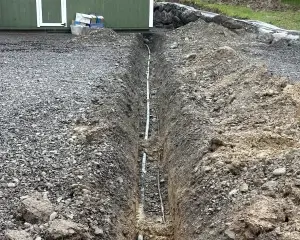
Utility trenching requires incredible precision to keep different utility lines safely separated from each other. Water lines, electric cables, and gas pipes all need specific depths to avoid cross-contamination or dangerous accidents.
- Water Lines: Must be buried deep below the local frost line to prevent freezing.
- Electrical Conduits: Require specific protective shielding and clear warning tape above them.
- Gas Piping: Demands specialized tracking wires so they can be located easily in the future.
Managing Complex Underground Intersections
Properties often have a web of existing pipes that must be avoided during a new installation. Modern contractors use advanced scanning tools to map out these hidden obstacles before digging.
Protecting existing infrastructure keeps your neighborhood safe and prevents costly utility outages. If an old line is breached, it can cause severe property damage and instant project delays during your septic excavation Washington project.
You may also like: How to Rebuild Your Driveway for Maximum Curb Appeal in Port Angeles
Critical Steps in Septic System Installation
Precision Digging for Tanks and Drainfields
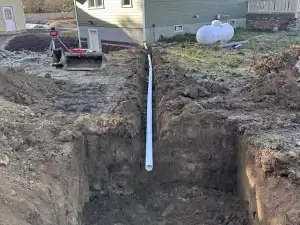
The actual excavation phase requires heavy machinery operated by highly skilled professionals. The hole for your holding tank must be perfectly level to prevent structural shifting over time.
Even a slight tilt can cause dangerous backups or uneven wear on the system components. Once the tank is set, technicians focus on the highly sensitive drainfield area.
- Conduct detailed soil perk tests across the site.
- Map out all existing underground utility lines before breaking ground.
- Excavate the main tank cavity to exact level specifications.
- Lay gravel beds for optimal drainfield filtration.
- Verify the downward slope for consistent gravity flow.
Soil Percolation and Grading Preparation
A drainfield relies entirely on the surrounding soil to naturally filter out impurities from the wastewater. Proper grading during your septic excavation Washington installation ensures that surface water flows away from this sensitive area.
If the soil becomes oversaturated with rainwater, the entire filtration system fails completely. Proper grading protects your investment from pooling water and catastrophic structural failures.
Why Professional Heavy Equipment Matters
Avoiding Catastrophic Underground Utilities Damage
Striking a live electric line or puncturing a main water pipe is incredibly dangerous and expensive. Professional excavation teams coordinate directly with local utility locators before touching the soil.
- High Risk (Gas / Electric): Often requires hand-digging within 2 feet of the line.
- Medium Risk (Water / Fiber): Depth verification via “potholing” is mandatory.
- Low Risk (Irrigation): Mapping and rerouting to avoid system breaks.
This preventative step protects the operators, your property, and the surrounding community. Safety must always come first when operating heavy machinery near public utilities.
Maximizing Long-Term System Efficiency
A professionally installed underground system lasts for decades without causing major operational headaches. High-quality bedding materials, proper pipe sloping, and expert backfilling prevent the ground from settling unevenly later on.
Investing in top-tier installation services now saves you from messy backyard failures down the road. Quality earthwork is the true foundation of a stress-free property during a septic excavation Washington venture.
Choosing the Right Partner for Your Project
Verifying Licensing, Bonding, and Specialized Experience
Never hire an unlicensed operator to handle your vital underground infrastructure systems. Ensure your chosen team holds specific certifications for septic excavation Washington operations.
Bonded contractors protect you from liability if unexpected damage occurs during the heavy digging process. Always ask for proof of insurance before signing any project contracts.
Analyzing Detailed Project Estimates
A transparent contractor provides a clear breakdown of labor, equipment rentals, and permit fees. Avoid vague estimates that leave room for surprise charges once the ground is already broken.
- Equipment & Professional Labor: Usually accounts for 40% of the budget.
- Materials: Tanks, pipes, and gravel represent about 25%.
- Permits & Engineering: Necessary soil testing and legal fees take 15%.
- Site Prep: Clearing and final grading take up the remaining 20%.
Setting the Foundation for Success
Planning ahead and hiring the right professionals turns a stressful utility project into a smooth success story. From the initial soil test to the final grading pass, every step of your septic excavation Washington project requires deep expertise and specialized machinery. Protecting your land, staying within local legal codes, and ensuring flawless utility performance should always be your top priorities.
Are you planning a new build or upgrading your current property infrastructure? Let us know your thoughts or share your past excavation experiences in the comments section below!
If you are ready to start digging with a team you can trust, call us at: 360 797 4904 or reach our team online today to schedule your professional site consultation.
How long does a typical septic excavation Washington project take to finish?
Most standard residential excavations take between 3 to 7 days of active on-site digging. However, the total timeline depends heavily on weather conditions, soil types, and how quickly local county permits are approved.
Can I plant trees or install a driveway over my underground drainfield area?
No, you should never place heavy structures, driveways, or deep-rooted trees over your drainfield. Heavy weight compacts the soil, while aggressive roots can puncture pipes, ruining your septic excavation Washington investment.
What is a soil perk test and why does my excavation team need it?
A percolation (perk) test measures how quickly water drains through your property’s soil layers. This critical data determines the exact size and depth of the drainfield required to process wastewater safely.
How deep are utility lines usually buried during a residential project?
Depth requirements vary by utility type and local Washington state building codes. Generally, water lines sit at least 24 to 36 inches deep to avoid freezing, while electrical lines run between 18 to 24 inches deep in protective conduits.