Winter in Sequim can be surprisingly rough on your property. Even with the “blue hole” keeping skies drier than the rest of the Olympic Peninsula, the wet season still brings heavy rain, fallen branches, decomposing leaves, and saturated ground. By the time spring rolls around, many homeowners walk their land and find a muddy, debris-covered mess that begs the question: where do I even start?
The answer matters more than most people think. Clearing winter debris the wrong way, moving too fast, using the wrong equipment, or ignoring soil conditions, can compact your topsoil, disrupt drainage, and actually make your land harder to work with. Whether you are planning a future build, improving your yard, or simply reclaiming overgrown space, this guide will walk you through how to do it right.
Why Sequim’s Winters Create Unique Land Clearing Challenges
Sequim sits in a rain shadow, but that does not mean it escapes the Pacific Northwest’s wrath entirely. Winters here still bring enough precipitation to saturate the ground for weeks at a time.
High Rainfall, Clay-Heavy Soils, and Debris Volume
Much of the soil across the Olympic Peninsula contains clay, which holds water exceptionally well. That is great for certain plants, but a real challenge when it comes to land clearing and site preparation. When clay-rich soil absorbs weeks of rain, it becomes dense, sticky, and extremely vulnerable to compaction. Heavy foot traffic or equipment on saturated clay can crush air pockets out of the soil structure, making it harder for roots to grow and water to drain properly.
On top of that, Sequim’s mix of conifers, broadleaf trees, and Pacific understory vegetation means there is no shortage of organic debris after a wet winter. Fallen limbs, leaf mats, moss buildup, and wind-thrown branches all accumulate and, while some of it decomposes naturally into the soil, too much in the wrong places creates drainage problems and barriers to any future site prep work.
The “Blue Hole” Myth and What the Real Weather Does to Land
Yes, Sequim receives significantly less rainfall than cities like Port Angeles or Seattle. Locals and visitors love the “blue hole” reputation. But the reality is that the area still sees plenty of rain from October through March, and that moisture soaks into the soil and stays there. It is not uncommon for ground to remain waterlogged well into spring, especially in low-lying areas or properties with poor natural drainage. Assuming your land is ready to work just because the sun is out can lead to costly mistakes.
Common Mistakes Homeowners Make Clearing Winter Debris
Good intentions do not always lead to good outcomes. Here are the two most damaging mistakes people make when tackling winter cleanup on their property.
Working Wet Soil Too Soon
This is the big one. It feels productive to get out there on the first sunny day and start clearing, but if the ground is still saturated, any foot traffic, raking, or equipment use can cause serious compaction. Compacted soil drains poorly, supports less plant life, and is genuinely difficult to correct without professional grading or excavation work later.
A simple test: grab a handful of soil and squeeze it. If it holds its shape and feels like modeling clay, it is too wet to work. If it crumbles apart after you open your hand, you are in good shape to get started.
Removing Organic Matter That Protects Topsoil
Not all debris is bad. A layer of decomposing leaves and organic material actually acts as a protective blanket over your topsoil, locking in moisture, preventing erosion, and feeding soil microbes. Stripping everything down to bare earth too aggressively can leave your topsoil exposed to runoff, UV, and wind, especially on sloped terrain. The goal is targeted clearing, not a scorched-earth approach.
A Step-by-Step Approach to Safe Winter Debris Removal
Done correctly, winter debris removal sets your land up for whatever comes next, whether that is landscaping, a new driveway, a structure, or a full site prep project. Here is how to approach it methodically.
Assessing the Land Before You Start
Before you touch anything, walk the entire property and take notes. Look for:
- Areas where water is pooling or draining slowly
- Spots where soil feels noticeably softer or sunken
- Large debris like fallen trees or root balls that may require equipment
- Slopes or banks where erosion may have occurred over winter
- Evidence of underground drainage issues, such as unexplained wet patches
This assessment tells you what you are working with and helps you decide what you can handle yourself versus what needs a professional crew and machinery.
Debris Removal Without Compaction
Once the soil has dried enough to safely work, start with the debris that is sitting on top of the ground, not embedded in it. Work from the outside edges of a cleared area inward, and avoid dragging heavy limbs across soft ground. Use a wheelbarrow or cart with wide wheels to distribute weight more evenly. Pile debris in a designated staging area rather than leaving it scattered, as piles in the wrong spots can create new drainage issues.
For smaller brush, organic material can often be chipped or mulched on site and used as ground cover. For larger debris like stumps, root masses, or significant volumes of material, this is where equipment becomes necessary and working with an experienced team pays off.
Grading and Leveling After Clearing
Once the debris is out, you may notice your land is uneven in ways winter obscured. Low spots, eroded channels, and disturbed soil from fallen trees all need attention before you can move forward with any site prep work. Light hand raking works for small areas. For anything more significant, grading with the right equipment ensures proper water flow away from structures and sets a clean base for future projects.
When DIY Ends and Professional Site Prep Begins
There is a clear line between what a homeowner can tackle with hand tools and what requires professional-grade equipment and expertise. Knowing where that line is saves you time, money, and a lot of frustration.
What Professional Land Clearing and Site Prep in Sequim Looks Like
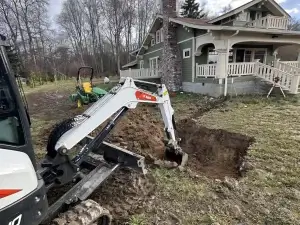
Large debris removal, stump grinding, grading, drainage corrections, and full site preparation all require machinery and know-how that goes beyond weekend DIY work. In Sequim specifically, the combination of clay-heavy soils, seasonal saturation, and varied terrain makes professional site prep especially important for anything beyond basic surface cleanup.
The team at Alpine Earthworks handles exactly this kind of work. From clearing overgrown lots to grading land ahead of construction, the excavation services in Sequim that Alpine provides are designed to prepare your property the right way, without causing the compaction and drainage issues that rushed or improper clearing often creates. With modern equipment and deep local knowledge of the Olympic Peninsula’s soil conditions, the crew understands how to read the land and treat it accordingly.
When equipment needs to move across your property, proper techniques, like using ground protection mats, staging access points thoughtfully, and timing work to drier soil conditions, make all the difference in protecting what you have got.
Planning Your Next Project After the Cleanup
Once the debris is cleared and the land is properly assessed, you are in a great position to think ahead. A clean, well-graded property opens the door to a wide range of improvements:
- Driveway construction or rebuilding
- Gravel pad installation for sheds, RVs, or outbuildings
- Foundation excavation for new structures
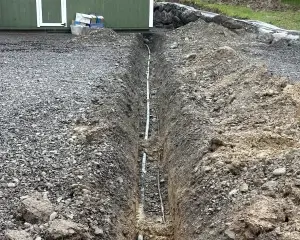
- Drainage improvements like French drains or dry wells
- Boulder retaining walls for slope management
- Full lot clearing ahead of a new build
Each of these projects starts with the same foundation: land that has been properly prepared. Skipping that step, or doing it incorrectly, tends to create compounding problems down the road.
If your post-winter walkthrough revealed more than you bargained for, you are not alone. Many Sequim property owners find that what looks like a basic cleanup turns into a larger conversation about drainage, grading, and long-term site planning. That is not a bad thing. It is just useful information.
Conclusion: Start Spring Right, Start With the Soil in Mind
Clearing winter debris off your Sequim property is not just about aesthetics. It is the first step in a chain of decisions that affect how usable, healthy, and buildable your land is for years to come. Take the time to assess before you act, respect the soil’s condition before you work it, and do not hesitate to bring in the right equipment when the job calls for it.
Ready to take the next step with your land? Whether you need a consultation on site prep, help clearing a large lot, or a full excavation plan, the Alpine Earthworks team is here to help. Contact us today for a free estimate and let’s get your property ready for what comes next.